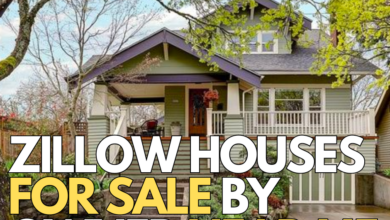
New homes near me take the spotlight in this comprehensive guide, offering valuable insights into the world of real estate. From researching options to understanding the buying process, this guide covers everything you need to know about finding your dream home in your area.
Researching New Homes Near Me
When looking for a new home in your area, it’s essential to utilize online resources to make the search process easier and more efficient. Here, we will explore the top websites to search for new homes in your locality, compare different platforms, and discuss the benefits of using online resources for finding new homes nearby.






Top Websites for New Homes Search
- Zillow: Zillow is a popular platform that provides a vast listing of new homes for sale in various areas. You can filter your search based on location, price range, and other preferences.
- Realtor.com: Realtor.com is another reliable website that offers a comprehensive database of new homes for sale. You can also find useful information about neighborhoods and local amenities on this platform.
- Trulia: Trulia is known for its user-friendly interface and detailed property listings. It allows you to explore different neighborhoods and connect with local real estate agents.
Comparing Different Platforms
- Availability of Listings: Some platforms may have more listings than others, so it’s beneficial to explore multiple websites to ensure you don’t miss out on any potential options.
- User Interface: The ease of navigation and search filters provided by each platform can greatly impact your home search experience. Choose a platform that is user-friendly and allows you to customize your search criteria.
- Additional Features: Some websites offer additional features such as virtual tours, neighborhood insights, and mortgage calculators, which can help you make informed decisions during your home search.
Benefits of Using Online Resources
- Convenience: Online resources allow you to browse through numerous listings from the comfort of your home, saving you time and effort in the home search process.
- Access to Information: You can access detailed information about each property, view photos, and even take virtual tours without having to visit the homes in person initially.
- Comparison Tools: Online platforms often provide tools to compare different properties side by side, making it easier to evaluate your options and make a well-informed decision.
Exploring New Home Options
When looking for a new home, there are certain features that are considered must-haves to ensure comfort, convenience, and functionality. These features can vary depending on individual preferences and needs, but some common ones include:
Must-Have Features When Looking for a New Home:
- Modern kitchen with updated appliances and ample storage space
- Master bedroom with ensuite bathroom and walk-in closet
- Energy-efficient heating and cooling systems
- Outdoor living space such as a patio or deck
- Smart home technology for security and convenience
Buying a new home offers several advantages over purchasing a pre-owned one. One of the main benefits is that new homes come with warranties on appliances, roofing, and structural components, providing peace of mind to homeowners. Additionally, new homes are often more energy-efficient, resulting in lower utility bills and a reduced environmental impact.
Advantages of Buying a New Home versus a Pre-owned One:
- Customization options to suit personal preferences
- Higher energy efficiency and lower maintenance costs
- Modern amenities and design features
- Warranties on appliances and structural components
In your vicinity, there may be different types of new homes available to choose from. These options can include single-family homes, townhouses, condominiums, or custom-built properties. Each type of home offers unique features and benefits, catering to diverse lifestyles and preferences.
Comparison of Different Types of New Homes Available:
| Property Type | Features |
|---|---|
| Single-Family Homes | Spacious yards, privacy, and potential for expansion |
| Townhouses | Shared walls, community amenities, and lower maintenance |
| Condominiums | Shared common areas, on-site maintenance, and security |
| Custom-Built Properties | Personalized design, premium finishes, and tailored features |
Consider these factors when exploring new home options in your area to find the perfect fit for your lifestyle and needs.
Understanding the Home Buying Process
When it comes to purchasing a new home near you, there are several important steps involved in the process. Understanding these steps can help you navigate the home buying journey with confidence.
Steps Involved in Purchasing a New Home
Here are the key steps typically involved in purchasing a new home:
- 1. Determine your budget and get pre-approved for a mortgage.
- 2. Research and explore different neighborhoods and properties.
- 3. Make an offer on a property and negotiate with the seller.
- 4. Conduct a home inspection and finalize the purchase agreement.
- 5. Close the deal and move into your new home.
Role of Real Estate Agents
Real estate agents play a crucial role in the home buying process. They can help you find properties that meet your criteria, negotiate offers on your behalf, and guide you through the paperwork and legal requirements involved in purchasing a home.
Potential Challenges and How to Overcome Them
While buying a new home can be an exciting experience, there are potential challenges that may arise, such as:
- 1. Competition from other buyers leading to bidding wars.
- 2. Financing issues or delays in the mortgage approval process.
- 3. Unexpected problems found during the home inspection.
To overcome these challenges, it’s important to stay proactive, work closely with your real estate agent, and be prepared to adjust your expectations if needed.
Location Considerations for New Homes
When it comes to choosing a new home, the location plays a crucial role in determining your overall quality of life. Factors such as proximity to work, schools, shopping centers, and recreational facilities can greatly impact your daily routine and well-being.
Urban, Suburban, and Rural Settings
Each setting offers a unique living experience, catering to different preferences and lifestyles:
- Urban: Living in a city offers convenience with easy access to amenities, restaurants, and cultural attractions. However, it can also be noisy and crowded, with higher living costs.
- Suburban: Suburbs provide a balance between urban and rural living, offering a quieter environment while still being close to city amenities. Suburban areas are often family-friendly with good schools and parks.
- Rural: Rural settings offer tranquility and a sense of community, with more space and natural surroundings. However, access to amenities may be limited, and commuting to work or other services can be challenging.
Impact of Neighborhood Amenities
Neighborhood amenities can greatly influence your decision when buying a home:
- Schools: Proximity to good schools is essential for families with children, as it can affect their education and development.
- Retail and Dining: Easy access to shopping centers, restaurants, and entertainment venues can enhance your quality of life and social interactions.
- Recreational Facilities: Parks, gyms, and recreational areas in the neighborhood can promote an active and healthy lifestyle.
- Safety and Security: A safe neighborhood with low crime rates can provide peace of mind for residents and increase property value.
Financing New Homes
When it comes to buying a new home, securing the right financing is crucial. There are various options available to buyers, each with its own pros and cons. Understanding the different financing options and comparing mortgage lenders can help you make an informed decision and secure the best financing for your new home.
Types of Financing Options
- Conventional Loans: Offered by private lenders, these loans typically require a higher credit score and down payment.
- FHA Loans: Backed by the Federal Housing Administration, these loans are popular among first-time homebuyers due to their lower down payment requirements.
- VA Loans: Reserved for eligible veterans, active-duty service members, and their families, these loans offer competitive interest rates and do not require a down payment.
- USDA Loans: Designed for buyers in rural areas, these loans offer low-interest rates and zero down payment options.
Comparing Mortgage Lenders
When looking for a mortgage lender for your new home purchase, it’s essential to compare rates, terms, and customer reviews. Consider factors such as interest rates, closing costs, and customer service to choose a lender that best fits your needs.
Tips for Securing the Best Financing
- Check Your Credit Score: A higher credit score can help you qualify for better loan terms and interest rates.
- Save for a Down Payment: A larger down payment can lower your monthly mortgage payments and reduce the overall cost of the loan.
- Get Pre-Approved: Pre-approval can give you a competitive edge when making an offer on a new home.
- Negotiate with Lenders: Don’t be afraid to negotiate with lenders to secure the best possible terms for your mortgage.
Customization and Design Choices
When looking for a new home, one of the exciting aspects is the opportunity to customize and make design choices that suit your preferences and lifestyle. Builders of new homes often offer a range of customization options to help you create a space that truly feels like home. From choosing finishes and fixtures to floor plan modifications, the possibilities are endless.
Exploring Customization Options
- Custom Floor Plans: Many builders allow you to modify floor plans to better fit your needs. Whether you need an extra bedroom, a larger kitchen, or a home office, customizing the layout can make a big difference.
- Finishes and Fixtures: Selecting finishes like flooring, countertops, cabinetry, and lighting fixtures can help personalize your home and reflect your style. From modern to traditional, there are options to suit every taste.
- Exterior Design: Customizing the exterior of your home with different siding options, paint colors, and architectural details can give your home unique curb appeal.
Latest Design Trends
- Open Concept Living: Open floor plans continue to be popular, creating a sense of spaciousness and flow between living areas.
- Smart Home Technology: Integrating smart home features like security systems, thermostats, and lighting can enhance convenience and efficiency.
- Sustainable Design: Energy-efficient appliances, insulation, and materials are increasingly sought after for their environmental and cost-saving benefits.
Personalizing Your New Home
- Reflect Your Personality: Incorporate elements that reflect your personality and interests, whether through artwork, decor, or furniture.
- Functional Spaces: Design rooms to serve specific functions that cater to your lifestyle, such as a home gym, hobby room, or outdoor entertaining area.
- Long-Term Considerations: Think about how your design choices will impact your daily life and consider both current and future needs when customizing your new home.
Energy Efficiency and Sustainability
Energy efficiency and sustainability are crucial factors to consider when looking for a new home. Not only do they contribute to a healthier environment, but they also help homeowners save money on utility bills in the long run.
Importance of Energy Efficiency
- Energy-efficient homes are designed to consume less energy for heating, cooling, and lighting, resulting in lower utility costs for homeowners.
- These homes often use high-quality insulation, energy-efficient windows, and appliances to reduce energy consumption and minimize environmental impact.
- Investing in an energy-efficient home can also increase the property’s value and appeal to potential buyers in the future.
Sustainable Features in New Homes
- Solar panels: Look for homes equipped with solar panels to harness renewable energy from the sun and reduce dependence on traditional power sources.
- Energy-efficient appliances: Opt for homes with Energy Star-rated appliances that are designed to consume less energy and water while maintaining high performance.
- Water-saving fixtures: Consider homes with low-flow faucets, toilets, and showerheads to reduce water usage and lower utility bills.
Environmental Impact Comparison
- New homes are built with modern construction techniques and materials that are more energy-efficient and environmentally friendly compared to older properties.
- Older homes may lack proper insulation, have outdated heating and cooling systems, and use inefficient appliances, leading to higher energy consumption and carbon emissions.
- By choosing a new energy-efficient home, you can reduce your carbon footprint and contribute to a more sustainable future for the planet.
Builder Reputation and Reviews
When looking for a new home, researching the reputation of builders in your area is crucial. Builder reputation can give you insight into the quality of their work, their customer service, and their overall reliability. It’s important to take the time to read and understand builder reviews to make an informed decision when choosing a new home.
Tips for Reading and Understanding Builder Reviews
- Look for patterns: Pay attention to recurring themes in the reviews, whether positive or negative. This can give you a better understanding of what to expect.
- Consider the source: Take note of who is leaving the reviews. Verified customers tend to offer more reliable feedback compared to anonymous sources.
- Check for responses: See if the builder responds to reviews, especially negative ones. This can show their commitment to addressing concerns and resolving issues.
- Look beyond star ratings: While ratings are important, delve into the details of the reviews to get a more comprehensive view of the builder’s performance.
Significance of Builder Reputation when Choosing a New Home
Builder reputation plays a significant role in your home-buying decision. A builder with a strong reputation for quality and customer satisfaction is more likely to deliver a home that meets your expectations. Additionally, a reputable builder is likely to have better customer service and support, ensuring a smoother home buying process overall.
Community Amenities and Lifestyle
When considering new homes near you, it is essential to explore the amenities offered by the surrounding communities. These amenities can have a significant impact on your quality of life in a new home, influencing your daily routines, leisure activities, and overall well-being. Different types of neighborhoods offer various lifestyle offerings, so it is crucial to compare them to find the best fit for your preferences and needs.
Amenities Offered by Communities
Community amenities can range from recreational facilities like parks, pools, and fitness centers to social spaces such as community centers and gathering areas. These amenities can enhance your daily life by providing opportunities for relaxation, socialization, and physical activity.
- Green spaces for outdoor activities and relaxation
- Clubhouses for community events and gatherings
- Walking or biking trails for exercise and leisure
- Playgrounds and sports courts for children and families
Impact on Quality of Life
The presence of community features can significantly impact your quality of life in a new home. Access to amenities can promote a healthy and active lifestyle, foster a sense of community and belonging, and increase the overall satisfaction with your living environment.
Living in a community with amenities can improve mental and physical well-being, leading to a happier and more fulfilling life.
Comparing Neighborhoods
When comparing different types of neighborhoods, consider the lifestyle offerings each one provides. Some neighborhoods may focus on family-friendly amenities, while others cater to active adults or young professionals. By evaluating the amenities and lifestyle options available, you can choose a neighborhood that aligns with your interests and preferences.
- Family-oriented neighborhoods with schools and playgrounds
- Active adult communities with fitness classes and social events
- Urban neighborhoods with access to dining, shopping, and cultural attractions
- Suburban communities with a focus on safety and tranquility
Future Growth and Resale Value
When considering purchasing a new home, it is essential to think about the future growth potential of the area where the home is located and how it can impact the resale value of your investment.
Factors that can affect the future growth and resale value of a new home include the overall economic stability of the area, job opportunities, proximity to schools, shopping centers, and other amenities, as well as any planned infrastructure developments in the region.
Factors Affecting Resale Value
- Location: A prime location with good schools, easy access to public transportation, and low crime rates can significantly increase the resale value of your home.
- Home Condition: Regular maintenance and upgrades can help maintain or even increase the value of your home over time.
- Market Trends: Keeping an eye on real estate market trends and understanding when it might be a good time to sell can also impact the resale value of your home.
Tips for Maximizing Resale Value
- Upgrade Key Features: Investing in updating key features like the kitchen, bathrooms, and flooring can increase the overall value of your home.
- Curb Appeal: First impressions matter, so enhancing the curb appeal of your home with landscaping and exterior improvements can attract potential buyers and increase resale value.
- Energy Efficiency: Making your home more energy-efficient with upgrades like solar panels or insulated windows can not only save you money on utilities but also appeal to environmentally-conscious buyers.
End of Discussion
In conclusion, the journey to finding new homes near you is filled with exciting possibilities and important considerations. Whether you’re a first-time homebuyer or looking to upgrade, this guide equips you with the knowledge to make informed decisions and find the perfect home for your needs.

Hi, I’m Lauren. As a digital enthusiast and storyteller, I love breaking down complex ideas into easy-to-read articles. My goal is to provide readers with fresh perspectives and helpful solutions through every piece I write.